Your First Pull Up and Protein Plan

Learning your first pull up can feel exciting, frustrating, and rewarding all at once. It is one of those fitness goals that looks simple from the outside but asks a …
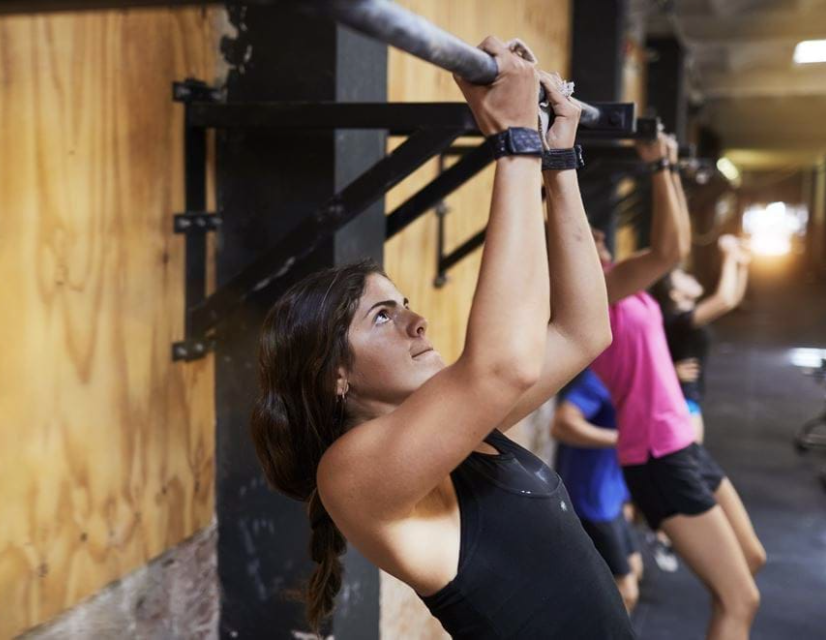
The first thing to understand is that a pull up is not just an arm exercise. Many beginners try to pull with their hands and biceps only, then wonder why they get stuck halfway or cannot leave the bar at all. A strong pull up starts with the muscles of the upper back. When you hang from the bar, think about pulling your shoulders down and back before you bend your elbows. That small setup teaches your body to create better tension. It may not look dramatic, but it builds the foundation for a stronger movement pattern.
If you are working toward your first full rep, it helps to break the skill into smaller steps. Dead hangs are a great place to begin because they improve grip strength and help your shoulders get used to supporting your body weight. From there, scapular pulls can teach control. These are small movements where you stay on the bar and gently lift your body by using your upper back without fully bending your elbows. After that, assisted pull ups with a machine or resistance band can help you practice the full motion. Negative pull ups are also powerful. For these, you step or jump to the top position, then lower yourself slowly with control. That lowering phase builds strength faster than many people expect.
A simple beginner routine can work very well. Practice pull up work two or three times each week with a day of rest between sessions. Start with a few sets of dead hangs, then do assisted reps or negatives, and finish with strength exercises like rows, lat pulldowns, or biceps curls. You do not need to train to exhaustion every time. What matters most is quality. Clean reps with good control will help more than rushed reps with swinging and straining.
Body position matters too. Keep your core braced and your body as steady as possible. It is tempting to kick your legs or swing for momentum, but that usually turns practice into survival mode. For your first clean pull up, aim to stay tall through the chest, keep tension in your midsection, and move in a controlled line. Think of pulling your elbows down toward your ribs rather than just trying to force your chin over the bar.
Progress is often slower than people hope, so it helps to measure improvement in different ways. Maybe you can hang longer this week. Maybe your negative takes five seconds instead of two. Maybe your band-assisted reps feel smoother. Those are all signs that your body is adapting. The first unassisted pull up often shows up after weeks of progress that seemed small at the time.
Nutrition can support that progress more than many beginners realize. A pull up depends on strength, recovery, and muscle maintenance, so your eating habits should support all three. Protein is especially important because it helps repair muscle tissue after training. It also helps your body adapt to the work you are asking it to do. You do not need a complicated diet, but you do need consistency.
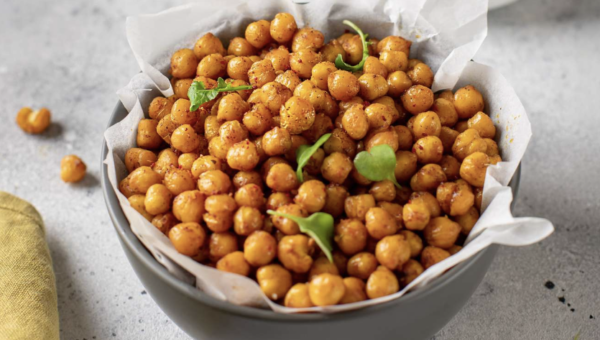
A practical target for many active adults is to include protein at each meal. This could come from eggs, yogurt, milk, chicken, fish, tofu, beans, lentils, lean meat, or protein shakes if needed. Instead of trying to eat most of your protein at dinner, spread it across breakfast, lunch, dinner, and even a snack. That pattern can help your body use it more effectively throughout the day.
A simple protein plan might look like this. At breakfast, you could have Greek yogurt with oats and fruit, or eggs with toast. At lunch, a chicken rice bowl, tofu stir fry, or tuna sandwich can work well. At dinner, choose a balanced plate with a protein source, vegetables, and a carbohydrate like rice, potatoes, or pasta. After training, a protein-rich snack such as yogurt, milk, cottage cheese, or a smoothie can be a practical option if your next meal is still far away.
Carbohydrates also deserve respect in a pull up plan. They give you energy for training and help you feel stronger during your sessions. You do not need to avoid them. In fact, people often train better when they include enough quality carbohydrates from foods like rice, oats, fruit, potatoes, or whole grain bread. Hydration matters too. Feeling tired, weak, or crampy can sometimes be made worse by simply not drinking enough water.
Recovery is where progress becomes visible. Muscles do not get stronger during the workout itself. They adapt afterward, when you rest, eat well, and sleep enough. If you train pull ups every day with sore shoulders and tired hands, you may slow yourself down. Two or three focused sessions per week are often enough for steady improvement, especially when combined with good sleep and regular meals.
One common mistake is comparing your journey to someone who has been training for years. Pull ups are relative to body weight, training history, and technique, so progress will not look the same for everyone. Stay focused on your own path. The person who keeps showing up, practices with patience, and fuels their body well usually wins in the long run.
Your first pull up is not just about one rep. It represents better coordination, stronger habits, and confidence that you can build something challenging step by step. Keep your training simple, keep your protein intake steady, and keep going even when progress feels quiet. One day the bar will feel different in your hands, your body will rise higher than before, and that first rep will finally happen. When it does, it will be the result of every small effort that came before it.