Protein Prep for Households of One

Cooking for one can feel strangely complicated, especially when the goal is eating enough protein without wasting food, overspending, or getting tired of the same meals. Many grocery stores still …
Protein matters because it helps support muscles, keeps you feeling full longer, and gives structure to meals that might otherwise turn into random snacks. When you live alone, it is easy to skip balanced cooking and reach for whatever is fast. That might work once in a while, but it often leaves you hungry again soon. Building meals around protein creates a stronger starting point and makes everyday eating feel more satisfying.
A smart approach begins with choosing just two or three protein sources for the week instead of trying to prepare everything at once. This keeps the process simple and lowers the chance that food will sit untouched in the refrigerator. Chicken breast, eggs, Greek yogurt, tofu, canned tuna, cottage cheese, ground turkey, lentils, and edamame are all useful options for solo cooking because they can fit into many meals without much effort. You do not need a long shopping list. You need a flexible one.
One of the best habits for single-person meal prep is cooking protein in plain or lightly seasoned batches. This gives you more freedom later. For example, a few baked chicken portions can become a rice bowl one day, a wrap the next day, and a quick pasta add-in after that. A container of cooked lentils can go into soup, salad, or a warm grain bowl. Hard-boiled eggs can work for breakfast, lunch, or an afternoon snack. When protein is already prepared, it becomes much easier to put together meals in minutes.
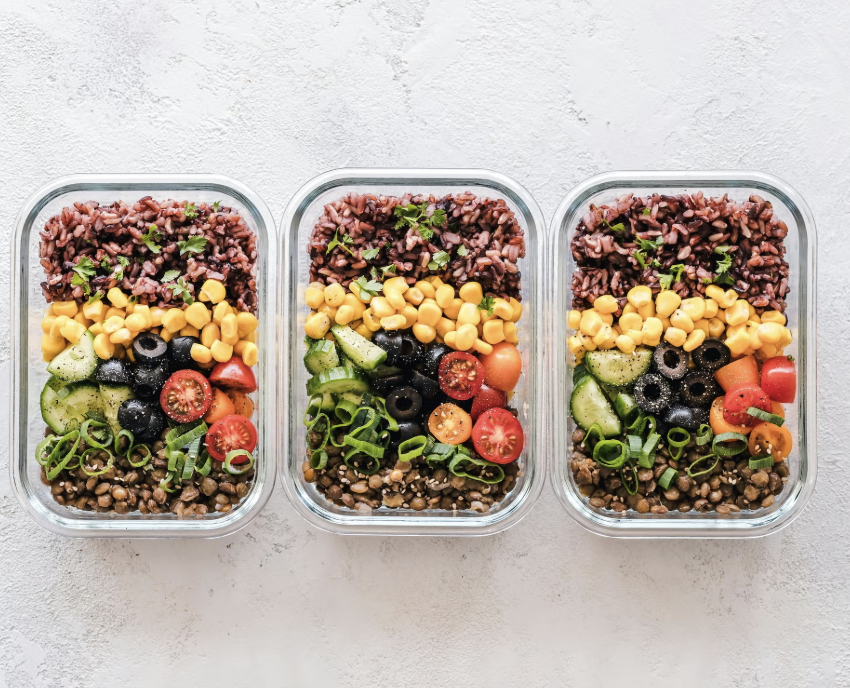
Portioning is another helpful step. Instead of storing one large container of cooked food and scooping from it all week, divide your protein into single servings right away. This makes your refrigerator easier to manage and helps you see exactly what is available. It also reduces the mental effort of deciding what to eat. A cooked salmon fillet, one serving of shredded chicken, or a small container of seasoned beans feels approachable. A giant container of leftovers often does not.
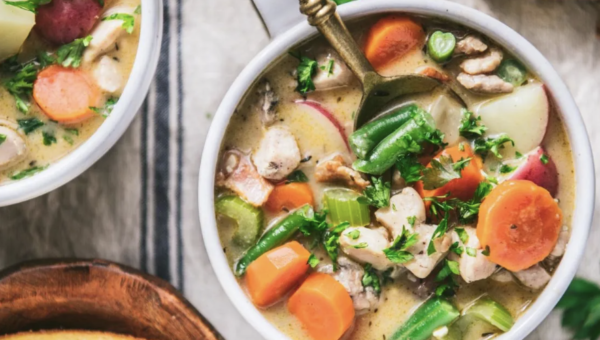
Freezing is especially useful in households of one. Many people think meal prep only works if everything stays fresh in the refrigerator, but the freezer can be your best tool. If you buy a larger pack of chicken or ground turkey because it costs less, cook it and freeze portions you will not use within a few days. Bread, cooked rice, protein pancakes, turkey meatballs, and even soups freeze well. This helps stretch your grocery budget while giving you ready-made options for busy days.
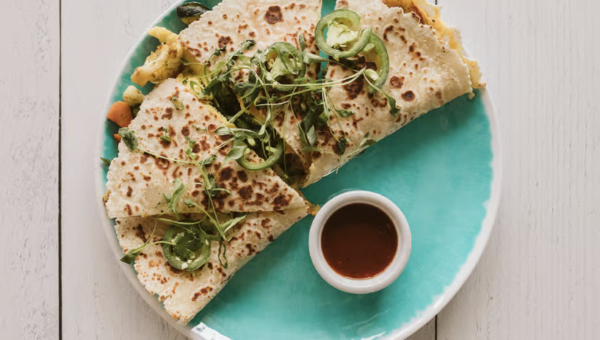
Another easy strategy is to pair prepared protein with quick base ingredients instead of fully assembled meals. Think of your cooked protein as one building block rather than the whole plan. You can combine it with microwave rice, frozen vegetables, salad greens, roasted potatoes, pasta, or whole grain toast depending on your mood. This creates variety without requiring a new recipe every day. It also helps prevent that common problem of getting bored halfway through the week.
Flavor matters more than people expect when cooking for one. If meals taste repetitive, even the best prep system will not last. Small changes in sauces and seasonings can completely shift the experience of the same protein. A plain grilled chicken breast can taste fresh with lemon and herbs, comforting with garlic and olive oil, or bold with a light chili sauce. Tofu can be crisp and savory one day, then added to a simple stir-fry the next. You do not need complicated cooking skills to make protein prep feel enjoyable.
Breakfast deserves attention too, because it is often the meal where protein gets overlooked. For solo households, simple options usually work best. Greek yogurt with fruit and oats, scrambled eggs on toast, cottage cheese with sliced tomatoes, or a smoothie with milk and nut butter can all help start the day with staying power. Having one or two go-to breakfasts reduces decision fatigue and supports a more balanced routine overall.
It is also important to be realistic. Not every meal needs to be high protein, perfectly planned, or homemade from scratch. Some weeks are busy, and convenience foods can still fit into a thoughtful routine. Rotisserie chicken, canned beans, frozen shrimp, pre-cooked tofu, and single-serve yogurt cups can all save time without making your meals feel less intentional. The goal is not perfection. The goal is making good choices easier on ordinary days.
For many people who live alone, food waste is one of the biggest frustrations. The answer is often to buy less at one time, repeat ingredients in different ways, and keep a short list of reliable staples. If spinach is only used for one recipe, it may spoil. But if it can go into eggs, wraps, soups, and smoothies, it becomes a practical purchase. The same idea applies to protein. Choose foods that can move easily across meals, and your kitchen will feel more efficient.
Protein prep for households of one works best when it supports your real life. It should not feel like a strict system that turns eating into a chore. It should feel like a quiet form of self-care, one that makes busy days smoother and helps you nourish yourself without stress. A few prepared servings, a flexible mindset, and a couple of dependable ingredients can go a long way. Cooking for one is not a limitation. With the right rhythm, it can be one of the simplest ways to eat well.