Simple Stews That Support Strength

When people think about building strength, they often picture strict meal plans, fancy protein powders, and complicated recipes that take too much time. In reality, some of the most helpful …
Stew works so well because it brings several important pieces of a satisfying meal into one pot. A good strength-supporting stew usually includes a source of protein, a mix of vegetables, and a steady carbohydrate source that helps fuel the body. It also delivers warmth and hydration, which can make meals feel more filling and enjoyable. For people trying to stay consistent with healthy habits, that matters just as much as any single ingredient.
Protein is often the first thing people focus on when they want to support strength. That makes sense, because protein helps the body repair and maintain muscle after daily activity and exercise. Stews make it easy to include protein in a simple and affordable way. Chicken, lean beef, turkey, beans, lentils, chickpeas, tofu, and eggs can all work well depending on the style of stew. Even a basic pot with lentils, vegetables, and a few herbs can become a hearty meal that feels complete. You do not need anything complicated to make it useful.
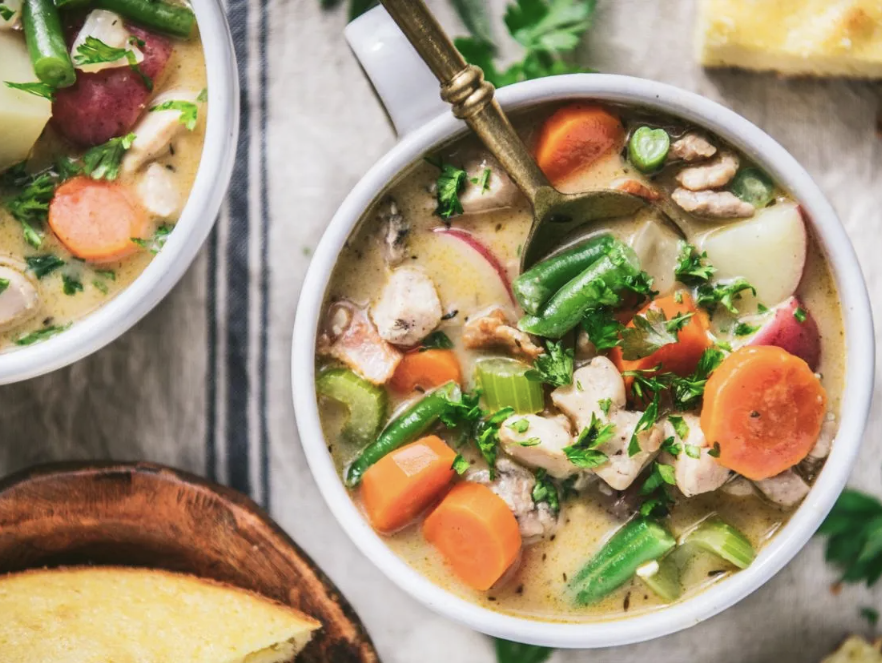
One of the best things about stew is that it allows everyday ingredients to shine. A strength-friendly stew does not need to be heavy or greasy. It just needs balance. For example, a chicken and vegetable stew with carrots, potatoes, celery, onions, and peas can provide protein, fiber, and energy in one bowl. A lentil stew with tomatoes, garlic, spinach, and sweet potatoes can offer a plant-based option that still feels rich and satisfying. A beef stew with mushrooms and root vegetables can be deeply flavorful while also offering iron and protein that many people appreciate in an active routine.
Another reason stew is so helpful is that it encourages people to eat more vegetables without feeling like they are forcing a salad into the day. Vegetables soften into the broth, absorb flavor, and become more comforting. This makes it easier to enjoy ingredients like zucchini, cabbage, green beans, kale, pumpkin, or bell peppers. Over time, these small choices help build a more nourishing eating pattern. Strength is not only about one high-protein meal after a workout. It is also about supporting the body consistently with enough food, enough variety, and enough nutrients from day to day.
Carbohydrates also deserve more credit in meals that support strength. They help provide the energy needed for exercise, work, and everyday movement. In stew, carbohydrates can come from potatoes, corn, beans, peas, barley, brown rice, or whole grain bread served on the side. These foods help make the meal more satisfying and practical. A bowl of stew that leaves you full and energized is often more useful than a lighter meal that sends you searching for snacks an hour later.
Simple stews are especially valuable for people with busy schedules. Not everyone has time to cook fresh meals three times a day. A pot of stew can be made once and enjoyed over several meals, which helps with both consistency and budget. The flavor often becomes even better the next day, making leftovers feel like a bonus instead of a burden. For someone trying to eat in a way that supports strength, convenience matters. If a meal is too difficult to prepare regularly, it becomes harder to stick with. Stew solves that problem by being easy to reheat, easy to portion, and easy to adapt.
Seasoning also plays an important role. Friendly, familiar flavors can turn a basic pot into something you truly look forward to eating. Garlic, ginger, black pepper, thyme, paprika, cumin, bay leaf, parsley, and a little tomato paste can bring simple ingredients to life. A squeeze of lemon at the end can brighten the whole dish. You do not need rich sauces or too much salt to create a comforting result. Often, the slow cooking process does most of the work for you.
There is also room for creativity. If you prefer lighter meals, try a broth-based chicken stew with beans and greens. If you want something more filling, go for a thicker lentil and sweet potato stew. If your household enjoys classic comfort food, a lean beef and vegetable stew can be a smart choice. Even tofu can work beautifully in a tomato-based or curry-style stew with chickpeas and spinach. The goal is not perfection. The goal is to create meals that are simple enough to make often and balanced enough to support your everyday needs.
Portion balance can help too. Filling part of the bowl with protein-rich ingredients, adding a generous amount of vegetables, and including a moderate portion of carbohydrates can create a satisfying meal without making food feel overly restrictive. This approach keeps things realistic. Food should support your routine, not complicate it.
In the end, simple stews deserve more attention in conversations about strength and wellness. They are affordable, comforting, and easy to prepare with basic ingredients. They can help support muscle-friendly eating habits while also making meals feel enjoyable and sustainable. For many people, that is the real secret to better nutrition. It is not about chasing perfect food trends. It is about finding simple meals you can return to again and again.
A warm pot of stew may not look flashy, but it can quietly do a lot of good. When it is built with balance, flavor, and consistency in mind, it becomes more than comfort food. It becomes a reliable part of a strong and steady lifestyle.