How to Eat for Early Flights and Late Lifts

When your day starts before sunrise and ends with a workout after dark, eating well can feel like a puzzle. Early flights can throw off your routine, airport food can …
The first thing to remember is that early flights are not the time to skip food completely and hope for the best. Many people rush out the door with only coffee, then end up tired, hungry, and reaching for whatever is quickest later on. Even a light meal before leaving can help. Something easy like yogurt with fruit, toast with peanut butter, a banana, or overnight oats can give you a calm start without feeling too heavy. The goal is not to eat a giant breakfast at 4 a.m. The goal is to give your body enough fuel to stay comfortable and alert.
Hydration matters just as much. Travel days often begin with less sleep, more stress, and long periods of sitting. Add coffee and dry cabin air, and it is easy to feel sluggish. Drinking water before you leave for the airport and continuing to sip through the morning can help you feel more balanced. You do not need to overdo it. Just try to stay consistent. A water bottle, once you are through security, can be one of the simplest travel tools you carry.
Airport food can be tricky, but it does not have to ruin your day. A helpful way to think about meals on travel days is to keep them simple and familiar. Look for a mix of protein, carbs, and something fresh if possible. A sandwich with turkey or chicken, a rice bowl, oatmeal with nuts, fruit and yogurt, or eggs with toast can all work well. These choices usually sit better than very greasy or overly rich foods, especially if you have a long flight ahead. You want something that gives steady energy rather than a quick spike followed by a crash.
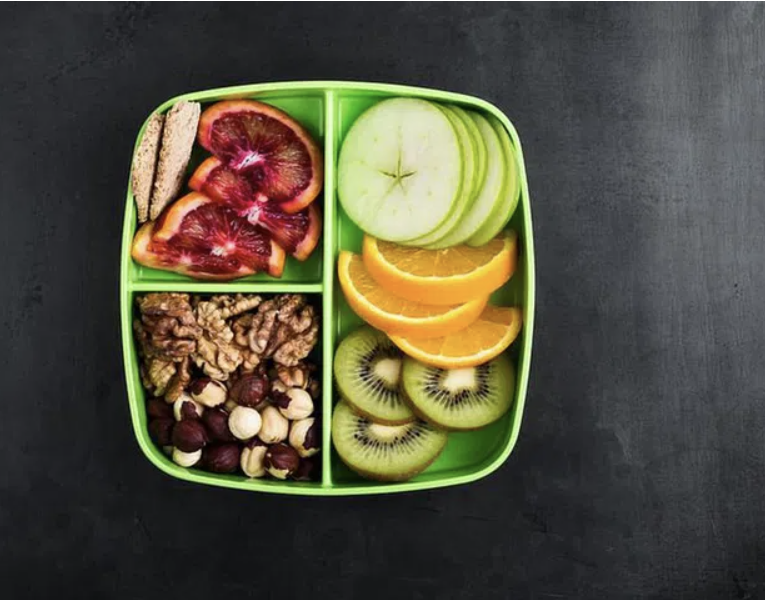
Packing your own snacks can make everything easier. This is especially useful if your schedule is tight or your flight lands close to your workout time later in the day. A protein bar, trail mix, roasted chickpeas, fruit, crackers, or a simple sandwich can save you from getting too hungry. Being overly hungry after a travel day often leads to random eating, low energy, and poor gym sessions. A small snack at the right time can make a big difference.
If you know you will be lifting late, think of the whole day as part of your training setup. Your evening workout is not only about what you eat right before the gym. It is also shaped by what you ate that morning and afternoon. If breakfast was too small and lunch was delayed, your body may feel flat by the evening. Try to build in regular meals through the day, even if they are not large. A balanced lunch with rice, potatoes, or bread along with chicken, fish, tofu, eggs, or beans can help refill your energy. Adding vegetables and fruit can make the meal feel more complete without making it complicated.
About one to three hours before your late lift, a small meal or snack can help you feel stronger. This does not need to be fancy. A turkey sandwich, rice with chicken, toast with eggs, yogurt with granola, or a banana with peanut butter are all easy choices. Foods like these can give you energy for training without feeling too heavy. The exact amount depends on your hunger, your workout time, and what you ate earlier. The main idea is to show up fueled, not stuffed and not running on empty.
Late workouts sometimes bring another challenge: what to eat afterward. Some people avoid eating after evening exercise because they worry it is too late. In reality, a simple post-workout meal can be helpful, especially if dinner was many hours earlier. Something with protein and carbohydrates is often a good fit. This could be a bowl of rice with lean protein, a wrap, eggs and toast, Greek yogurt with fruit, or a smoothie with milk and banana. Keeping it simple can help you recover without making bedtime feel uncomfortable.
Sleep is also part of the equation. Early flights and late lifts can both pull on your energy, so it helps to keep evening meals steady and reasonable. Very heavy meals right before bed may not feel great for everyone, especially after travel and training. A lighter recovery meal is often enough. If you know you have another busy morning ahead, planning that meal in advance can take away a lot of stress.
One of the best approaches for these days is to stop chasing perfection. Travel can be messy. Flights get delayed, meal times shift, and gym sessions move later than planned. That does not mean the day is lost. If breakfast was small, make lunch better. If lunch was rushed, have a useful snack before training. If dinner ends up late, keep it balanced and easy. Flexible habits tend to work better than strict rules when life is busy.
Eating for early flights and late lifts is really about staying prepared, staying hydrated, and giving your body steady support from morning to night. A little planning can help you feel better in the airport, stronger in the gym, and more settled by bedtime. You do not need special foods or a perfect routine. You just need a few reliable choices that travel well, digest well, and fit your schedule. When you keep it simple, your food can support both the trip and the training.