The Training Plate for Teen Athletes

Teen athletes need food that does more than simply fill them up. Their bodies are growing, their schedules are busy, and their activity level is often much higher than that …
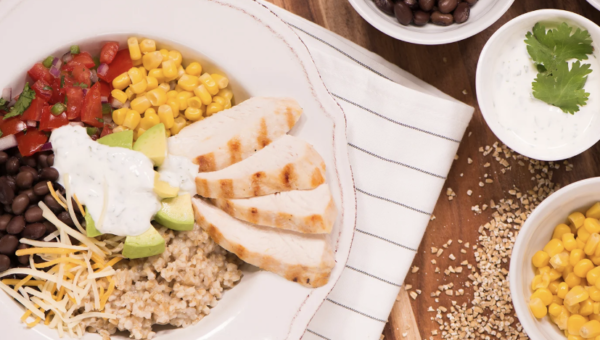
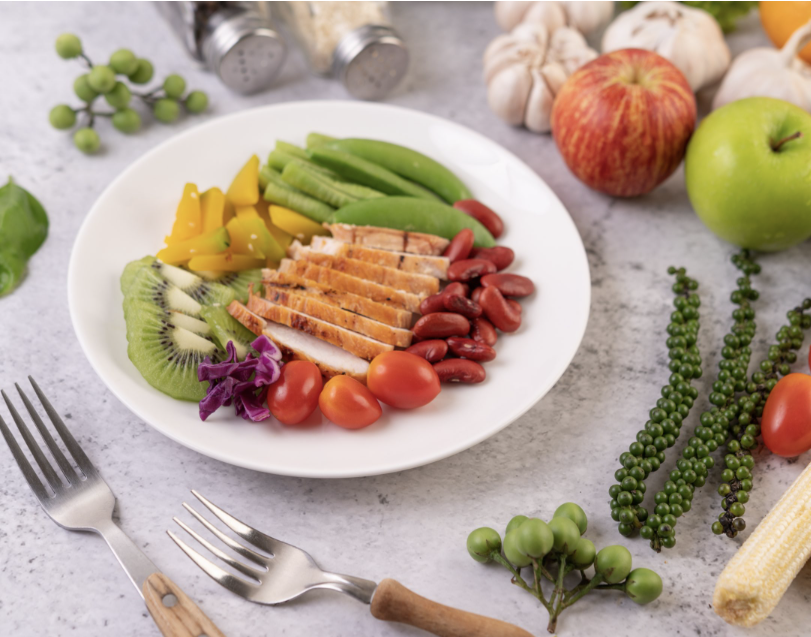
The idea behind a training plate is simple. Instead of focusing on rules, counting, or perfection, it helps teen athletes picture what a balanced meal looks like. A good plate usually includes a source of carbohydrates for energy, protein for muscle support, colorful fruits or vegetables for nutrients, and healthy fats to help with fullness and overall wellness. When these parts come together, meals feel satisfying and practical.
Carbohydrates are often the starting point for active teens. They are the body’s favorite source of fuel during training, practice, and competition. Foods like rice, potatoes, oats, bread, pasta, tortillas, and fruit can all help power movement. Many teen athletes do better when they stop thinking of carbs as something to avoid and start seeing them as part of performance support. A plate that includes a solid portion of rice with chicken and vegetables, or pasta with lean protein and a side salad, can be a smart fit for an active day.
Protein is another important part of the training plate. It helps support recovery after hard practices and can keep meals more filling. Teen athletes do not need fancy powders or complicated products to get enough. Everyday foods such as eggs, chicken, fish, yogurt, tofu, beans, milk, cheese, and lean meat can do the job well. The goal is not to overload the plate with protein, but to include a steady amount at meals and snacks throughout the day.
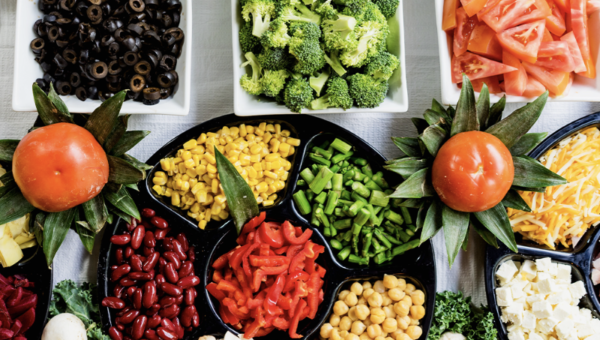
Fruits and vegetables bring balance to the plate. They add vitamins, minerals, fiber, and color, which makes meals feel fresher and more enjoyable. For teens with packed schedules, convenience matters. Baby carrots, banana slices, apple wedges, cucumbers, frozen berries, or a simple side salad can all work. There is no need to create perfect picture-worthy meals every time. Even small additions can improve the overall quality of a meal.
Healthy fats also have a place on the training plate. Foods like avocado, nuts, seeds, peanut butter, olive oil, and cheese can add flavor and help meals feel more complete. Since fats digest more slowly, they can be especially helpful in meals eaten farther away from practice. For example, a lunch of turkey sandwich, fruit, yogurt, and a few nuts can provide both energy and staying power before an afternoon workout.
One of the most useful things teen athletes can learn is that their plate may change depending on the day. A rest day may call for a more moderate portion of energy foods, while a game day or long training day may call for more carbohydrates and an extra snack. This does not mean eating becomes complicated. It simply means listening to the schedule. On heavier activity days, a larger scoop of rice, an extra piece of fruit, or a sandwich before practice can make a real difference in how energy feels.
Snacks matter too. Many teen athletes go too long without eating, then wonder why they feel tired, distracted, or overly hungry later. A snack is not a bad habit. It can be a useful bridge between meals. Good options might include yogurt with fruit, toast with peanut butter, cheese and crackers, a banana with nuts, or a smoothie made with milk and fruit. These choices are easy to pack and easier to enjoy than overly strict eating plans.
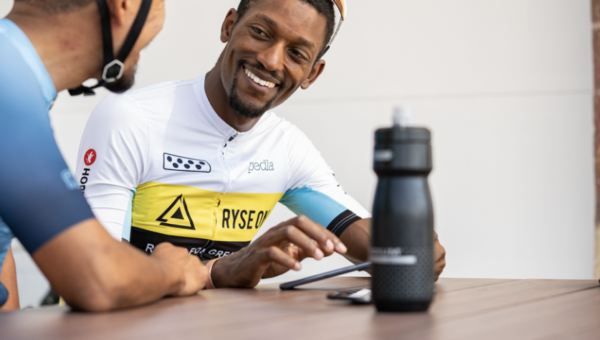
Hydration belongs in the conversation as well. Water is important for focus, movement, and recovery. Teens who are active in hot weather or during long sessions may need to pay even more attention to drinking fluids regularly. Keeping a water bottle nearby during the day is a simple habit that supports performance without adding stress. Pairing fluids with meals and snacks can make hydration easier to remember.
Another key part of building a healthy training plate is flexibility. Teen athletes are still learning, growing, and living real lives. Some days they may eat a home-cooked meal, and other days they may grab something on the way to practice. That is normal. A helpful mindset is to aim for balance most of the time, not perfection every time. Even fast and simple meals can work well when they include a few core pieces. A burrito with rice, beans, chicken, and salsa is a balanced option. So is a turkey sandwich with fruit and milk. So is scrambled eggs with toast and a side of fruit.
Parents, coaches, and caregivers can also make a big difference by keeping the message positive. Teen athletes usually do better when food is talked about as fuel, support, and routine rather than guilt, fear, or pressure. Meals should help them feel strong, prepared, and confident. They should not feel like a test.
The training plate for teen athletes is really about building a strong everyday foundation. It is not about chasing perfect meals or following trends. It is about giving active teens enough energy, enough variety, and enough support to keep up with the demands of school, sport, and growth. When meals include carbs for fuel, protein for support, produce for nutrients, and healthy fats for balance, the result is a plate that works hard right along with them.
For teen athletes, eating well does not have to be complicated. It can start with one simple question at each meal: what can I add to this plate to help me feel fueled, steady, and ready? That small habit can go a long way.