The Recovery Rainbow Eat the Colors

Recovery is often pictured as rest, stretching, or getting a full night of sleep, but the food on your plate matters just as much. One of the easiest ways to …
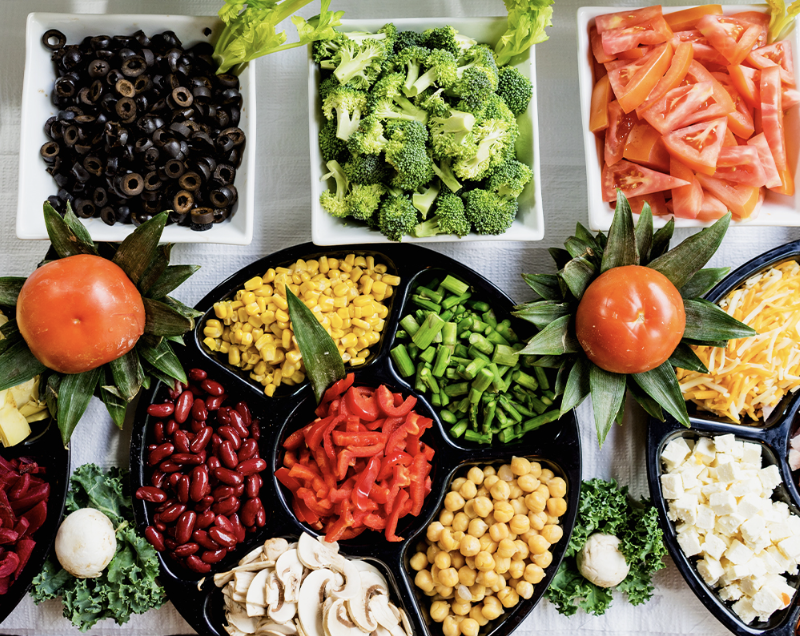
Eating the colors does not mean chasing perfection or building picture-perfect meals every day. It means noticing variety and letting that variety work in your favor. Different colors in food often point to different nutrients. Red foods such as tomatoes, strawberries, and red bell peppers bring their own strengths. Orange and yellow foods like carrots, mangoes, and sweet potatoes offer another set of benefits. Greens, blues, purples, whites, and even earthy browns all add something useful to the recovery process. When your meals include several of these groups across the day, you create a supportive pattern without making food feel stressful.
After physical activity, your body is working hard behind the scenes. Muscles are repairing tiny tears. Energy stores need to be replenished. Fluids and electrolytes may need replacing. The immune system and nervous system also benefit from steady nourishment, especially when your schedule is full and recovery time is limited. A colorful plate helps because it usually leads to more whole foods and a better range of nutrients than eating the same few items over and over. Variety can help cover nutritional gaps while also making meals more enjoyable.
Red foods deserve a place in the recovery rainbow because many are rich in helpful antioxidants. Watermelon, cherries, raspberries, and tomatoes are all easy choices. A bowl of yogurt with berries after a workout can feel light and satisfying. A tomato-based soup with whole grain toast can be comforting after a long day. Even simple sliced tomatoes with eggs at breakfast can bring fresh flavor and nutritional value to the table. These foods fit naturally into meals without much effort.
Orange and yellow foods are just as useful. Sweet potatoes, oranges, pineapple, pumpkin, corn, and carrots often bring brightness to meals along with nutrients that support overall wellness. A baked sweet potato with grilled chicken and a side of greens is an easy recovery dinner. A smoothie made with mango, banana, and milk or yogurt can work as a convenient snack when time is short. These foods also tend to be family-friendly and affordable, which makes them easier to use consistently.
Green foods are often the first ones people think of when healthy eating comes up, and for good reason. Spinach, broccoli, cucumbers, green beans, peas, kiwi, and herbs can bring freshness, fiber, and important micronutrients. Greens do not have to be plain salads. They can be added to omelets, rice bowls, noodle dishes, soups, and fruit smoothies. A handful of spinach blended into a banana smoothie is a simple way to add more color without changing the flavor too much. That makes it easier for busy people to stick with healthy habits.
Blue and purple foods add another valuable layer to the recovery rainbow. Blueberries, blackberries, purple cabbage, grapes, eggplant, and plums are all smart choices. These foods can make snacks and meals feel more interesting while adding beneficial plant compounds. Purple cabbage in a wrap, blueberries in oatmeal, or grapes alongside cottage cheese are all simple combinations that work well. Sometimes recovery nutrition is more successful when it feels appealing, and deep-colored foods often make meals look and taste more exciting.
White and brown foods also belong in the rainbow, even if they seem less colorful at first glance. Mushrooms, onions, garlic, oats, beans, yogurt, milk, chicken, eggs, brown rice, and whole grain bread can all play a powerful role in recovery. These foods often bring protein, carbohydrates, fiber, and minerals that support energy and muscle repair. The recovery rainbow is not only about produce. It works best when colorful plant foods are paired with reliable basics that help you feel satisfied.
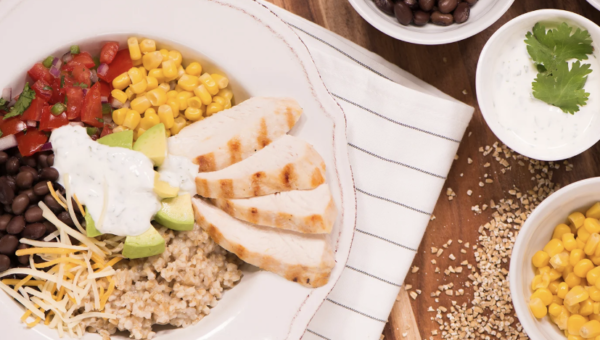
Building a recovery rainbow meal can be very simple. Start with a source of protein such as eggs, fish, chicken, tofu, yogurt, or beans. Add a quality carbohydrate like rice, potatoes, oats, or whole grain bread. Then include two or three colorful foods. A rice bowl with salmon, cucumber, shredded carrots, and purple cabbage is one example. Oatmeal topped with banana, blueberries, and a spoonful of yogurt is another. A plate of grilled chicken with roasted sweet potatoes and steamed broccoli is a classic option that still fits the rainbow idea beautifully.
This approach is also flexible enough for real life. You do not need every color at every meal. Think of it across the day or across the week. Maybe breakfast is mostly white and blue with yogurt, oats, and berries. Lunch could bring green and red through a chicken salad wrap with tomatoes and spinach. Dinner might add orange and purple with roasted carrots and cabbage. Over time, that pattern becomes a practical way to eat better without turning every meal into a project.
The recovery rainbow is helpful because it keeps nutrition positive and easy to remember. Instead of focusing on strict rules, you focus on adding color, balance, and simple nourishment. That mindset can support energy, recovery, and consistency in a way that feels friendly rather than overwhelming. When you eat the colors, you are not just making your plate look better. You are giving your body a wider range of support to recover, rebuild, and get ready for whatever comes next.