Walking Workouts and Whole Food Wins

Finding a healthier routine does not always require a gym membership, fancy equipment, or a complete life overhaul. In many cases, the most lasting changes come from simple habits that …
Walking is often overlooked because it seems too simple to make a difference. Yet that simplicity is exactly what makes it so powerful. Walking can be done almost anywhere, whether it is around the neighborhood, through a local park, at a shopping center, or even indoors on a treadmill. It does not ask for perfect weather, advanced skill, or a complicated plan. All it really asks is a little time and a willingness to begin.
A walking workout can be as gentle or as active as needed. Some days, a relaxed morning walk may feel right. On other days, a brisk pace with a few hills or short bursts of faster walking can make it feel more like a true workout session. This flexibility is one of the biggest reasons walking works for so many people. It meets people where they are instead of forcing them into a routine that feels too demanding.
Walking also blends well with daily life. It can become part of a lunch break, a way to unwind after work, or a weekend habit shared with family or friends. Even short walks add up over time. A few minutes in the morning, another short walk in the afternoon, and a longer stroll in the evening can create a pattern that feels natural instead of stressful. When movement feels enjoyable and manageable, it becomes easier to stick with it.
Of course, movement is only one part of the picture. Food choices shape how the body feels throughout the day, and that is where whole foods come in. Whole foods are foods that stay close to their natural form. Think fresh fruit, vegetables, oats, rice, beans, eggs, yogurt, nuts, seeds, fish, chicken, and other simple ingredients that are easy to recognize. They do not need to be fancy or expensive to be helpful. In fact, some of the best whole food meals are also the most basic.
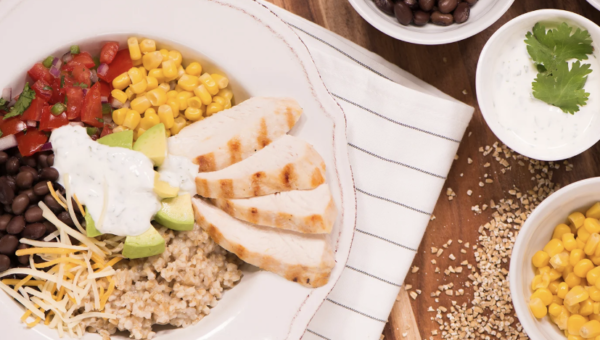
There is something refreshing about building meals from real, familiar ingredients. A bowl of oatmeal topped with banana and peanut butter can feel comforting and steady. A lunch with grilled chicken, rice, and vegetables can feel satisfying without being complicated. A snack of yogurt and fruit can be both simple and enjoyable. These kinds of meals support a steady routine because they are practical enough for real life.
Whole foods and walking workouts make a natural pair. Walking encourages a person to stay active in a gentle, sustainable way, while whole foods provide the kind of nourishment that helps daily habits feel supported. When both are part of the same lifestyle, the results are often more about consistency than perfection. That is an important mindset shift. Wellness does not have to be extreme to be effective. It can be calm, steady, and built from repeatable choices.
One of the best parts of this approach is how adaptable it is. A beginner can start with ten minutes of walking and one more balanced meal each day. Someone with more experience can increase walking pace, add longer routes, or pay closer attention to meal variety. There is no single correct starting point. The goal is not to compare routines. The goal is to build one that feels doable and supportive.
Another helpful benefit is the mental reset that often comes with a walk. Stepping outside, breathing fresh air, and moving at a steady pace can bring a welcome break from screens, deadlines, and mental clutter. Many people find that walking helps them think more clearly, feel calmer, and return to tasks with better focus. Pair that with meals based on whole foods, and the day can feel more grounded from start to finish.
It is also worth remembering that progress does not depend on doing everything perfectly. There will be busy days, tired days, and moments when convenience wins. That is normal. A healthy routine is not ruined by one fast meal or a missed walk. What matters more is the ability to return to the habits that support long-term balance. Choosing a short evening walk after a full day still counts. Adding fruit to breakfast instead of skipping it still counts. Small wins deserve credit because they are often the ones that last.
For people who want to make healthy changes feel less overwhelming, this combination is a smart place to begin. Start with comfortable walking shoes and a plan to move a little more often. Keep easy whole food options at home, such as fruit, eggs, oats, rice, vegetables, and simple protein choices. Focus on rhythm instead of pressure. Let the routine grow naturally.
Walking workouts and whole food wins are not about chasing an unrealistic lifestyle. They are about creating a routine that feels kind, steady, and sustainable. They remind us that health can be supported through ordinary choices repeated over time. A daily walk, a simple meal, and a little consistency can go further than many people expect. When healthy habits feel welcoming instead of overwhelming, they become easier to keep, and that is where real progress begins.