The Coach’s Checklist for Training Meals

Training meals do not need to be fancy to be effective. In fact, the best meal plans for active people are often built on simple choices repeated consistently. Coaches know …
A useful way to think about training meals is to imagine a checklist. Not a strict rulebook, but a practical guide that keeps meals balanced and realistic. Whether someone is preparing for gym sessions, running workouts, team sports, or just trying to stay active through a busy week, this kind of checklist can make healthy eating feel easier and more natural.
The first item on the checklist is timing. Many people wait too long to eat and then wonder why their workout feels harder than expected. Going into training overly hungry can leave energy low and focus scattered. Eating too heavily right before movement can also feel uncomfortable. A smart middle ground works best for most people. A meal a few hours before activity can provide a good base, while a lighter snack closer to training can help top off energy. This does not need to be exact every time, but it helps to plan ahead rather than leave meals to chance.
The second item is carbohydrates. These are often the main fuel source for training, especially for active sessions that involve speed, endurance, or repeated effort. Carbohydrates do not need to come from complicated sports products. Rice, oats, potatoes, fruit, bread, pasta, and other familiar foods can all do the job well. Coaches often remind athletes that carbs are not the enemy when the goal is performance. The amount can vary based on the workout, but including a reliable source of carbohydrates in meals is one of the easiest ways to support steady energy.
The third item is protein. After training, protein helps support muscle repair and recovery. It also helps meals feel satisfying. Good sources include eggs, yogurt, milk, chicken, fish, tofu, beans, and lean meats. There is no need to chase perfection at every meal, but including some protein regularly can make a real difference over time. A balanced plate with both protein and carbohydrates often works better than focusing only on one nutrient.
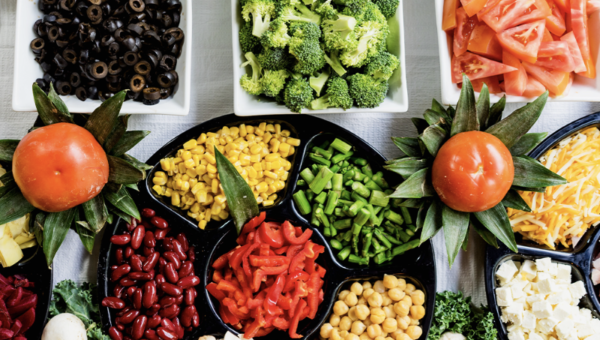
The fourth item is color and variety. Coaches may talk about performance, but long-term progress also depends on overall nutrition. Fruits and vegetables bring color, texture, and useful nutrients to meals. They can support general wellness and help make a meal feel complete. This does not mean every plate must look perfect. It simply means aiming to include some variety during the day. A banana with breakfast, spinach in a sandwich, berries in yogurt, or roasted vegetables at dinner all count.
The fifth item is hydration. Sometimes people think only about food and forget that fluids matter just as much. Even mild dehydration can make training feel more difficult. Water is often enough for everyday workouts, especially when meals are already balanced. Keeping a water bottle nearby and drinking consistently through the day can be more helpful than trying to fix hydration at the last minute. For longer or sweat-heavy sessions, paying a little more attention to fluids before and after activity can be a smart habit.
The sixth item is portion awareness. Training meals should leave a person fueled, not sluggish. Portions do not have to be measured perfectly, but it helps to match meals to the day. A harder training day may call for a larger meal or an extra snack. A lighter day may need a more moderate plate. This kind of flexibility keeps eating practical and helps avoid the all-or-nothing mindset that often leads to frustration. Coaches usually want consistency, not extremes.
The seventh item is digestion and comfort. The best meal on paper is not the best meal if it does not sit well. Some people do fine with a full meal before exercise, while others prefer something light and simple. Paying attention to personal comfort matters. Foods that are very greasy, overly rich, or unfamiliar may not be ideal right before activity. Easy-to-digest choices often work best when training is close. This is where personal experience becomes part of the checklist. A meal plan should fit the person, not just the theory.
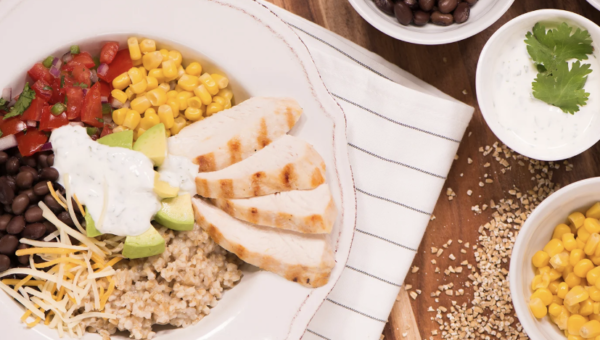
The eighth item is recovery. What happens after training matters more than many people realize. A meal or snack within a reasonable window after exercise can help refill energy and support recovery. This does not need to be a special shake unless someone likes that option. It can be a normal meal such as rice with chicken and vegetables, yogurt with fruit and granola, or eggs with toast and fruit. The goal is to help the body settle, refuel, and get ready for the next session.
The ninth item is routine. Coaches love routines because routines reduce stress. When people already know what breakfast, lunch, or post-workout food might look like, they make fewer rushed decisions. A small list of dependable meal ideas can save time and make healthier choices easier on busy days. Oatmeal with fruit, a turkey sandwich, rice bowls, pasta with lean protein, or yogurt with nuts can all become regular options. Simple meals repeated often are not boring when they help life run smoothly.
The final item on the checklist is mindset. Training meals are not a test to pass or fail. They are part of a long process of learning what helps the body feel strong, steady, and ready to move. Missing one meal or having an imperfect day does not undo progress. What matters most is returning to the basics again and again. Eat enough to support activity, include helpful foods, drink water, and build meals that are realistic for everyday life.
That is the real coach’s checklist for training meals. It is not built on pressure. It is built on preparation, balance, and repeatable habits. When meals support training in a calm and practical way, food becomes less confusing and much more useful. Over time, that steady approach can help turn ordinary meals into a quiet advantage.