Home Gym Basics and Pantry Basics

Creating a healthy routine at home does not have to be expensive, complicated, or perfect. In fact, some of the best long-term habits start with a few simple tools and …
A home gym does not need to look like a professional training center. It only needs to help you move more often. The best setup is one that fits your space, your budget, and your lifestyle. A yoga mat is often the easiest place to begin. It creates a clean, comfortable surface for stretching, bodyweight workouts, and cooldown routines. Resistance bands are another smart starting point because they are affordable, light, and versatile. They can be used for upper body, lower body, mobility work, and beginner strength training without taking up much room.
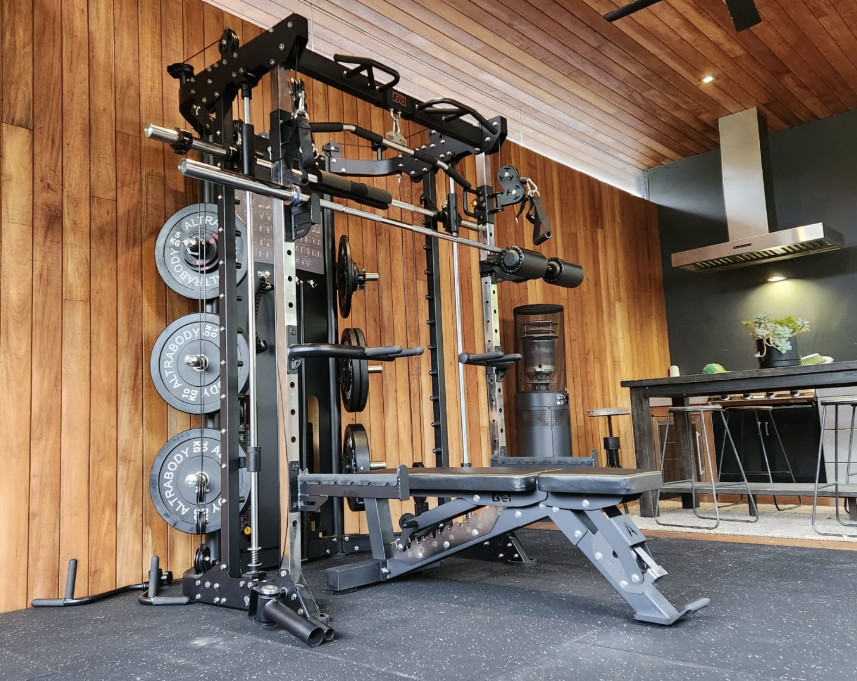
A pair of dumbbells can also make a big difference. Even one medium-weight pair can support many exercises such as squats, presses, rows, and lunges. If adjustable dumbbells are within budget, they can save space and offer more flexibility over time. A sturdy bench is helpful, but it is not essential at the beginning. Many people can build a strong and sustainable routine using only a mat, bands, and dumbbells. The key is choosing equipment that encourages regular use rather than buying too much at once.
Another important part of a home gym is the environment itself. Good lighting, fresh air, and a tidy floor can make workouts feel more inviting. A water bottle nearby, a towel within reach, and enough space to move comfortably can turn a small corner of a room into a reliable workout area. It also helps to keep equipment visible. When exercise tools are easy to see and easy to grab, it becomes simpler to stay consistent. Sometimes the biggest barrier is not motivation, but inconvenience.
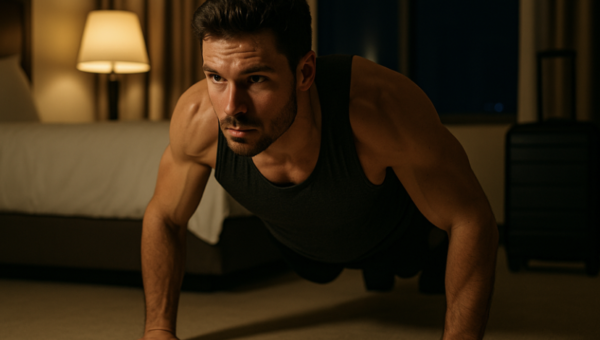
Home workouts also benefit from a realistic mindset. Not every session needs to be intense. Some days might include a short strength workout, while other days may focus on stretching, walking in place, or mobility practice. A useful home gym supports different kinds of movement, especially on busy days. This flexibility is one reason home fitness works so well for many people. It removes travel time, reduces pressure, and allows movement to fit naturally into daily life.
The pantry plays a similar role. A good pantry does not need to be filled with trendy products. It simply needs to make everyday meals easier. When basic ingredients are already on hand, preparing balanced food at home becomes much less stressful. Pantry basics can help reduce last-minute takeout decisions and make it easier to build simple meals that feel satisfying.
Some of the most useful pantry staples are plain and familiar. Oats are a strong example because they work for breakfast, snacks, and even baking. Rice, pasta, and other grains can provide a dependable base for quick lunches or dinners. Beans and lentils are excellent to keep in the pantry because they are flexible, filling, and easy to pair with vegetables, soups, or grain bowls. Canned tuna, canned salmon, or shelf-stable protein options can also be useful for quick meals when fresh ingredients are limited.
It helps to keep a few cooking essentials on hand as well. Olive oil or another preferred cooking oil, salt, pepper, garlic powder, onion powder, and dried herbs can bring simple meals to life. Tomato sauce, broth, nut butter, and canned vegetables are also practical choices for many households. These are not glamorous items, but they are dependable, and dependable is often what makes healthy routines last.
A smart pantry also supports workout recovery and daily energy in a simple way. For example, oats with nut butter can make an easy breakfast. Rice with beans and vegetables can become a filling lunch. Pasta with tomato sauce and canned tuna can create a balanced dinner with minimal effort. None of these meals need to be complicated to be useful. The goal is not perfection. The goal is to have enough basics on hand to make good choices easier.
When home gym basics and pantry basics come together, they create a strong foundation for daily wellness. One supports movement, and the other supports nourishment. Together, they can reduce friction and make healthy habits feel more manageable. You do not need a huge budget, a dedicated fitness room, or an elaborate meal plan to get started. You only need a practical setup that works for real life.
It is often better to begin small and build gradually. Start with a few pieces of exercise equipment that you will truly use. Stock a handful of pantry staples that can turn into easy meals. Notice what fits your routine and what does not. Over time, your system will become more personal and more effective. The most successful home routines are usually not the most impressive from the outside. They are the ones that are simple enough to repeat.
A calm workout space and a reliable pantry can do more than save time. They can create a sense of stability. On busy mornings, stressful afternoons, or quiet evenings, these basics make it easier to care for yourself without overthinking every decision. That is the real value of keeping things simple. With the right basics in place, home can become one of the easiest places to support your health, one ordinary day at a time.